Empowering, Structured, Multisensory Literacy

.png?updatedAt=1721224061418)
By the end of this course, learners will be able to:
Identify and apply the closed syllable rule across short vowel words
Blend consonants and short vowels to decode CVC, CVCC, and CCVCC words
Differentiate between real words and nonsense (decodable) words
Recognize and explain exceptions to phonics rules (e.g., wolf, host, swamp)
Use new real words in complete oral and written sentences
Build fluency and confidence through a game-like phonics challenge
Reinforce Science of Reading–aligned decoding strategies in a fun, low-pressure way
🧠 This resource supports developing readers, dyslexic learners, and anyone who needs structured decoding practice through hands-on engagement.
✅ Included in this section: What is a closed syllable? Definition with visuals and keywords for each short vowel Simple explanation of the “closed door” = short sound idea Sound Components Used: Single consonants, digraphs, beginning and end blends (full lists) Why use nonsense words? Highlights the benefits of decodable but made-up words for blending and fluency Step-by-step instructions: How to use the word house: reading by rows, then mixing Two reading options: Student writes vs. partner check & circle Vocabulary + Sentence Practice: Oral and written practice with real words only Bonus visuals: Clear closed syllable diagrams and kid-friendly explanation (“Knock knock — the door is closed!”)
This lesson focuses on the short vowel
Students build and decode short vowel words using beginning digraphs and a variety of end blends in closed syllables. This lesson includes a word house, recording grid, sentence writing page, and answer key. Great for reinforcing digraph recognition and decoding accuracy.
Students explore the short vowel
This lesson focuses on decoding short vowel words using a wide variety of beginning and end blends within closed syllables. Students build words, apply phonics rules, and sort real vs. nonsense words. Includes a word house, recording grid, sentence writing page, and answer key.
Requirements:
Ability to read and write consonant and short vowel sounds
Basic familiarity with blending sounds to read words
Access to a printer (for worksheets and word houses)
Recommended (but not required):
Prior exposure to closed syllable instruction
A parent, tutor, or teacher to check real-word accuracy and support sentence writing
Empowering, Structured, Multisensory Literacy
.png?updatedAt=1721224205728)



Already a member? login to access
This course includes




Children's picture books teach young readers through simple plots, vivid illustrations, repetition, and conversation. Th...

Children's stories about friendship and identity help young readers practice empathy, spot peer pressure, and learn that...

Basketball coaching mistakes are usually mistakes of communication, workload, and player care. The biggest ones can lowe...

NAD, or nicotinamide adenine dinucleotide, is a coenzyme found in every cell that helps turn food into energy, supports...
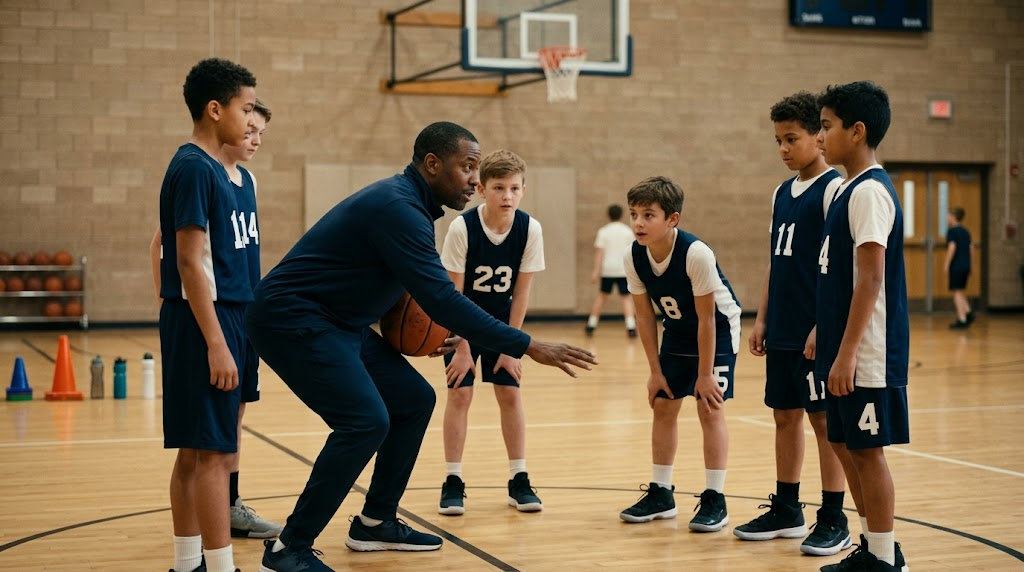
The most costly mistakes basketball coaches make are overloading players, creating a tense sideline culture, and chasing...

Character traits for kids are learned habits that shape how children handle choices, conflict, and responsibility. Respe...
Choose the free account that best fits how you want to use TGD.
Choose the free account that best fits how you want to use TGD.