Author & Children's Mental Wellness Coach

.png?updatedAt=1721224061282)
One of my goals as a children's coach is to teach kids about having a strong "inner compass." This means in a broad sense how to be leaders of their own lives. To get there, your child will learn the following mindset skills:
Your child will receive his/her skill book prior to each lesson via email in a PDF format. Each skill book can be inserted into a 2 1/2 " binder. Upon completion of the course your child will receive a certificate to recognize his/her achievement.
In this section, we start with your child learning and understanding their values and the role their values/beliefs play in being responsible. It means knowing who they are and what they stand for. Children often feel like victims and that grownups have all the power because they tell them what to do. But, in this skill book, your child will discover that when they embrace self-responsibility, having clear values, they will see how much power they actually have, especially when they choose to take ownership of their lives and how they choose to experience the events in their lives. They will learn what it means to stand in their power. How to know when they aren't standing in their power and how to shift from victim thinking to power thinking. They will also learn how values protect against becoming a victim of negative peer pressure. Your child will learn the motto: "If it is to be, it is up to me."
Shakespeare was right in saying, "to thy own self be true." And there's good reason for that. Integrity means more than simply doing the right thing, even when no one else is looking. It also means keeping our word and fulfulling the commitments we make. It means staying true to our values, not just when it's convenient, but all the time. Integrity is much more than being honest to others, it means being honest with ourselves, too. It means doing the right things even if pressured to do something else. When we live a life of integrity, we are true to ourselves and to our values no matter what is happening. Your child will learn that when they stay true to themselves they develop powerful self-confidence. Trust means that people believe in us and, more importantly, that we believe in ourselves. Your child will learn that living a life of integrity also builds this kind of trust - that what they say they will do, they actually fulfill it. When they say they believe something, they hold to it - even if someone else tries to get them to go against their beliefs. Your child will learn that when others trust them, they know they can depend on them. This kind of integrity develops a strong self-esteem and powerful self-confidence. Of course, there are challenges to integrity, such as mistakes and peer pressure. This course will also address how to course-correct broken integrity.
In this skill book, your child will learn that every time they are with someone they leave a "mark" depending on how they treated them. Your child will learn the two different "marks" they leave on people's hearts. He or she will learn the importance of the Golden Rule - to treat others as you would like to be treated. They will learn the "why" behind why respect is an important skill to learn and the difference between respectful behaviors and disrespectful behaviors. We will discuss various examples of what respectful and disrespectful behaviors look like, how to model respectful behavior, and understand that because we live in a diverse world there are many different cultural and religious beliefs. We'll discuss this diversity and the importance of not using stereotypes towards people from diverse cultures who are different from them. Respect is also important in our homes. Your child will learn that they can make respect an important part of their own family culture, and when they do, it leads to greater peace and happiness in their homes, thereby creating a legacy of respect for one's family. By the end of this lesson your child will have learned these additional skills: 1. Learn how to communicate with respect - asking questions instead of backtalk, making eye contact instead of rolling the eyes, and staying in the conversation instead of walking away, and choosing a respectful tone of voice. 2. Reframe from name calling, gossiping, or starting rumors 3. Tolerate differences. People with differing opinions and different beliefs. 4. Using manners 5. Understand the importance of respecting rules and laws. 6. Learning that when kids engage in disrespectful behavior, it leaves a "black mark" on the hearts of others. 7. Learn how to fight fair by understanding that they are to argue a point based on the issue of disagreement and not based on personal insults.
Too many people live in a world of "self-beat-up" - putting themselves down and saying things to themselves that they would never say to someone else. Having self-respect means standing by our values and treating ourselves with as much kindness, patience, compassion, and understanding that we would have with our best friend, our favorite teacher, or a favorite relative. Choosing self-respect builds powerful self-esteem. Why is self-respect important? It's critical for developing strong self-esteem. When we respect ourselves, we like ourselves. How we treat ourselves impacts every area of our life from our relationships to our career to our happiness. It also impacts how other people treat us. By having self-respect, we show others how to treat us. Your child will learn the Golden Rule (Part 2), and will learn the skill of positive self-talk, exploring their values, and how those values will guide them against peer pressure. Your child will come away more confident and understand that taking care of their needs is just as important as taking care of the needs of others. Your child will also learn how to say "no" to requests to stay in balance with their daily life, with a Gold Heart. We will also touch on the subject of "Embracing Your Uniqueness" and learning to love what is unique about them.
Knowing what your child(ren) believe about key issues such as cheating, lying, stealing, skipping class, even using drugs or alcohol can help them stand against peer pressure and stay focused on their goals. This skill book teaches children tools they can use to make good decisions and provides a platform for them to make a decision about many of the critical issues listed above BEFORE they actually face them. This skill book addresses the need to make decisions that are in alignment with their value system and their vision to be able to stand in their power against negative outside influences. Thinking through important issues before they are in the situation can help kids make choices that say "yes" to themselves and "no" to peer pressure. This skill book is structured to teach your child several tools they can use when making a decision and gives kids plenty of opportunities to practice.
This skill book talks about peer pressure - what it is; what it looks like, feels like and sounds like, and how to say "no" when someone tries to get us to do something we don't want to do. Your child will have a lot of opportunity to practice in the activities and also with the Take-Home sheet, "Wise in 5." One of the biggest concerns that parents have about raising kids is negative peer pressure. A survey done by Dr. Phil revealed that the top two goals of parents are: 1. Raising children with self-confidence, and 2. Creating enough internal strength to resist temptations. Parents of teens reported that their #1 issue was "peer pressure - what do they [their children] do when away from supervision." Children are experimenting with and engaging in risky behavior, sometimes as early as elementary school. In this age of the internet and camera phones, the mistakes kids make could follow them for the rest of their lives. Peer pressure can also cause tremendous stress on kids. They just want to fit in, be accepted, and to be liked by the other kids at school. Fear of being rejected, teased, laughed at, or losing friendships can cause a lot of anxiety and even depression. To resist peer pressure, kids must: A. Know their values and what they want for themselves B. Understand what peer pressure is and how to spot it, and C. Learn how to say "no" when they are being pressured to do something they don't want to do. Your child will learn: 1. About the importance of knowing their values and what they want for themselves.\ 2. How to recognize the five different types of negative peer pressure so they can spot it BEFORE they have to make a decision. 3. Several different options for how to say "no" if pressured to do something they don't want to do. 4. Your child will memorize 2 or 3 of their favorite "No! statements with opportunities to practice. 5. Your child will be empowered when they discover that when they say "no" to others, what they are really doing is saying "yes" to themselves. That what they want for themselves becomes more important than what their friends want for them.
Requirements: This course is taught via a live Zoom Call and a stable internet connection is required. Each session is between one hour and one and a half hours.
Each skill book will be emailed to the parent's email to be added to his/her workbook.
Each child should come to our sessions ready and motivated to learn tools that will serve them well in school and in life.
The sessions are fun, casual and include engaging discussions, art/craft activities to help your child learn the concepts being taught, take-home sheets, activities and puzzles/games to further the learning.

Author & Children's Mental Wellness Coach

Already a member? login to access
This course includes
.png?updatedAt=1721224205728)



.png?updatedAt=1721224061418)




An author’s note is a short, high-value space where writers explain factual choices, context, or source use, helping rea...
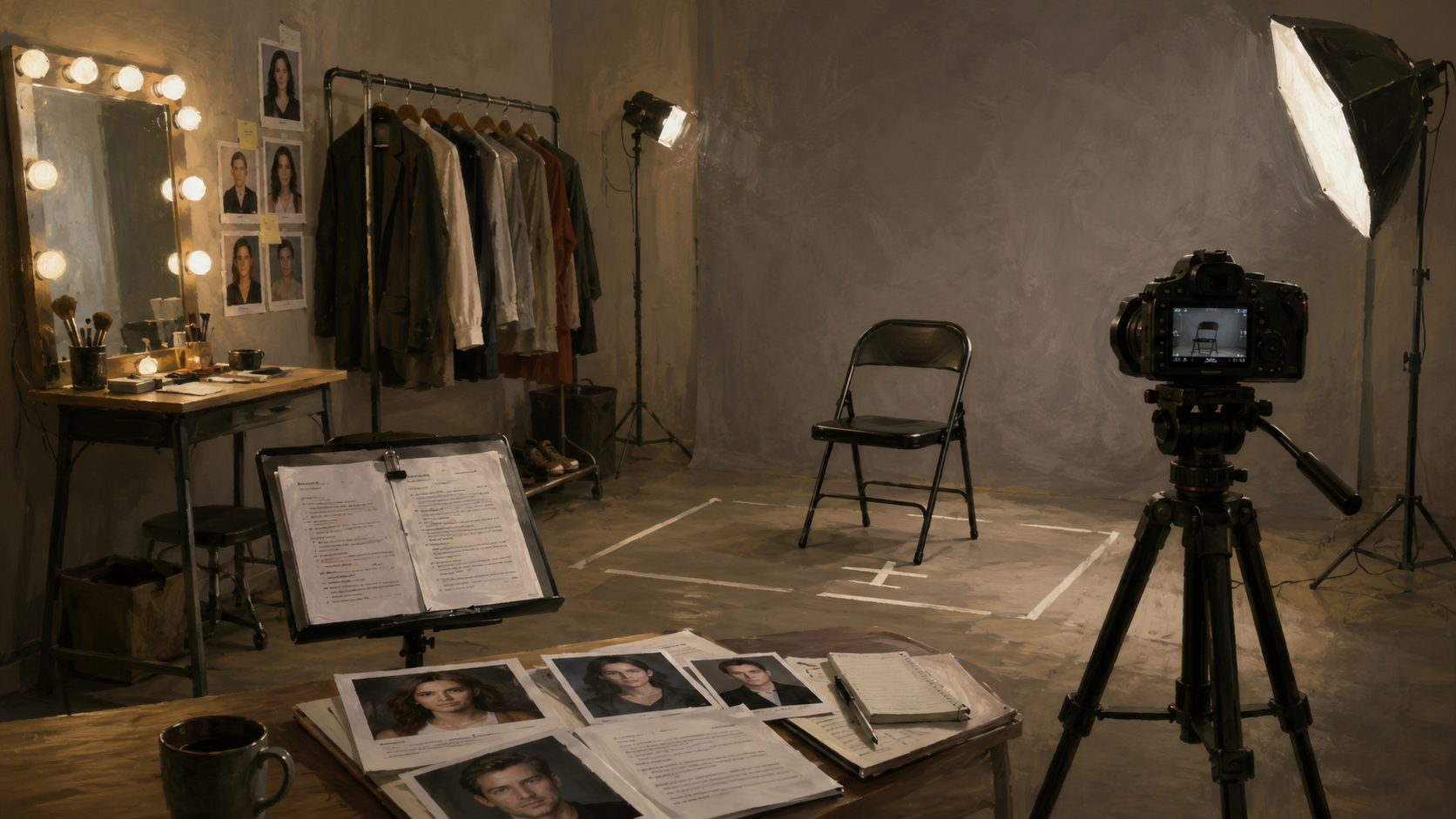
Becoming a working actor means building a sustainable freelance career through training, audition prep, professional mat...

Children's picture books teach young readers through simple plots, vivid illustrations, repetition, and conversation. Th...

Cult manipulation is a pattern of psychological control, not just unusual beliefs. It works by narrowing a person's choi...

Empowerment and authentic self meditation helps people steady attention, regulate stress, and reconnect with inner value...

Empowering women to their elevated selves means helping women strengthen self-worth, emotional regulation, boundaries, a...
Choose the free account that best fits how you want to use TGD.
Choose the free account that best fits how you want to use TGD.