Heal Well. Lead Well. Love Well.

.png?updatedAt=1721224061418)
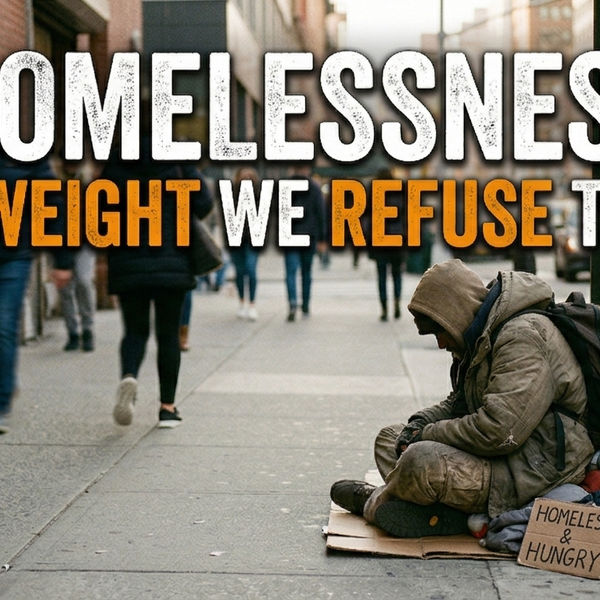
Homelessness isn’t a moral failure. It’s the result of stacked pressures and mental overload. This training equips C.A.S.E.™ Counselors, Ministers, and Responders to see through a trauma-informed lens, responding with clarity, dignity, and grounded, transformative practical and spiritual support.
The hidden mental and emotional burdens people carry long before they lose housing
How chronic stress impacts decision‑making, stability, and mental capacity
The “Stacked Pressures Model” — a simple framework for understanding the real causes of homelessness
How to humanize the people we walk past and avoid harmful assumptions
Compassionate response skills for counselors, volunteers, and community leaders
How to support without rescuing, overstepping, or burning out
Practical ways communities can help while maintaining healthy boundaries
The Weight We Don’t See invites learners to rethink everything they believe about homelessness. This course reframes the narrative by moving beyond the common “choice,” “laziness,” or “moral failure” myths that often shape public perception. Instead, participants will uncover the systemic, invisible, and psychological pressures that push individuals toward homelessness long before they ever lose their housing.
Learners will begin to recognize the emotional weight people carry — trauma, chronic stress, loss of safety, disrupted support systems, and survival‑based decision‑making, and understand how these forces compound over time. By seeing the hidden burdens beneath the surface, participants gain a deeper, more compassionate understanding of the lived experience of homelessness and the complex realities that shape it.
Utilize the “Stacked Pressures” Framework Learners will identify the invisible stressors—grief, loss of safety, chronic instability, and emotional overload—that accumulate over time and ultimately exceed a person’s capacity, contributing to the loss of housing. Identify the Biological Impact of Chronic Stress Learners will understand how long‑term stress affects the brain’s decision‑making centers, allowing them to interpret “irrational” or survival‑based behavior as physiological overwhelm rather than moral failure. Reframe the Narrative Learners will shift from judgment to compassion by seeing the person beneath the pressure and engaging with dignity and clarity. Define the Role of the Compassionate Helper Learners will distinguish healthy support from rescuing, practicing boundaries and restorative care that strengthens long‑term emotional and spiritual resilience. Bridge Faith and Professional Practice
See Beyond the Surface: Learn to identify the invisible “stacked pressures” — trauma, instability, and emotional overload — that lead to homelessness long before housing is lost. Engage with Compassion and Clarity: Shift from judgment to understanding using trauma‑informed, dignity‑first approaches that humanize every interaction. Support Without Burning Out: Practice healthy boundaries, avoid rescuing, and offer spiritually grounded, sustainable support that strengthens long‑term resilience.
Apply the “Heal Well, Lead Well, Love Well” Philosophy Learners will shift from pity to Christ‑centered compassion, offering grounded presence and long‑term restorative support to individuals in crisis. Integrate A.C.O.R.E.™ and C.A.S.E.™ in Real Time Learners will recognize when someone is nearing emotional overload and respond appropriately, offering trauma‑informed spiritual support that comforts rather than pressures. Navigate Community Response with Healthy Boundaries Learners will avoid the “rescue trap,” set boundaries that prevent burnout, and choose actions that empower rather than create dependency. Act as a Restorative Bridge in the Community Learners will challenge stigma using the Stacked Pressures model and identify where their skills fit within broader community restoration efforts.
Restore Stability in Crisis: Learn how to de‑escalate mental overload, assess real‑time capacity, and guide individuals through the early stages of emotional and psychological restoration. Communicate with Dignity and Clarity: Use trauma‑informed, dignity‑centered communication to uncover hidden burdens, restore agency, and build trust through empowering dialogue. Lead with Boundaries and Community Impact: Set compassionate, sustainable limits, avoid burnout, and serve as a restorative bridge who challenges stigma and strengthens community‑level care.
Stabilize Crisis with Confidence: Learn how to assess functional capacity, de‑escalate mental overload, and create immediate psychological safety using trauma‑informed, safety‑first techniques. Restore Agency Through Collaboration: Shift from doing things for people to working with them, using micro‑steps, clear communication, and dignity‑centered support that rebuilds confidence and capacity. Lead Sustainable, Community‑Wide Change: Set healthy boundaries, prevent burnout, mentor other volunteers, and measure success through restorative outcomes—not transactions.
Guide the Shift from Surviving to Thriving: Learn to recognize when someone is ready to move beyond crisis mode, encourage future‑focused thinking, and support long‑term restoration without triggering overload. Rebuild Confidence and Community Connection: Use the Resilience Loop to strengthen agency, highlight personal strengths, and help individuals reintegrate into healthy spiritual and social communities. Sustain Restoration with Compassionate Presence: Practice relational “companioning,” navigate setbacks with grace, and measure success through restored dignity, stability, and self‑advocacy—not just housing outcomes.
Thank You for Taking the Homelessness Awareness Assessment Moving from Awareness to Advocacy Thank you for completing the Homelessness Awareness Assessment. By taking this step, you’re moving beyond surface‑level understanding and into a more compassionate, trauma‑informed way of engaging with our community. Recognizing that homelessness is often the result of “stacked pressures” — invisible burdens that overwhelm even the strongest individuals — is the foundation of restorative, dignity‑centered care. This assessment highlights the difference between a transactional response and a restorative one. Whether the questions confirmed what you already knew or introduced new perspectives, your willingness to look closer helps create a true safety net for those in crisis. Please proceed to complete the final assessment. A certificate of completion will be emailed to you once finished.
There are no formal academic prerequisites for this course. All that is required is a compassionate heart, a reliable internet connection, and a willingness to look beyond the surface of homelessness to see the human soul and the 'stacked pressures' beneath.

Heal Well. Lead Well. Love Well.
.png?updatedAt=1721224205728)


Already a member? login to access
This course includes







The Story Behind the Story is an online course by Amy Thurman on The Great Discovery, rated Not yet rated with 0 enrolle...

An author’s note is a short, high-value space where writers explain factual choices, context, or source use, helping rea...

Real struggle strength motivation is the practice of building resilience through coping skills, support systems, and ste...

Cult manipulation is a pattern of psychological control, not just unusual beliefs. It works by narrowing a person's choi...

Paticca Samuppada, or dependent co-arising, explains how suffering begins through causes and conditions, and how it can...

Empowerment and authentic self meditation helps people steady attention, regulate stress, and reconnect with inner value...
Choose the free account that best fits how you want to use TGD.
Choose the free account that best fits how you want to use TGD.